Property investment company

Property opportunities. Handled with discipline.

Coleman & Stengel Co. reviews real estate and land opportunities through clear communication and a structured look at the property, the situation, and the next decision.

Direct email: opportunities@colemanstengelco.com

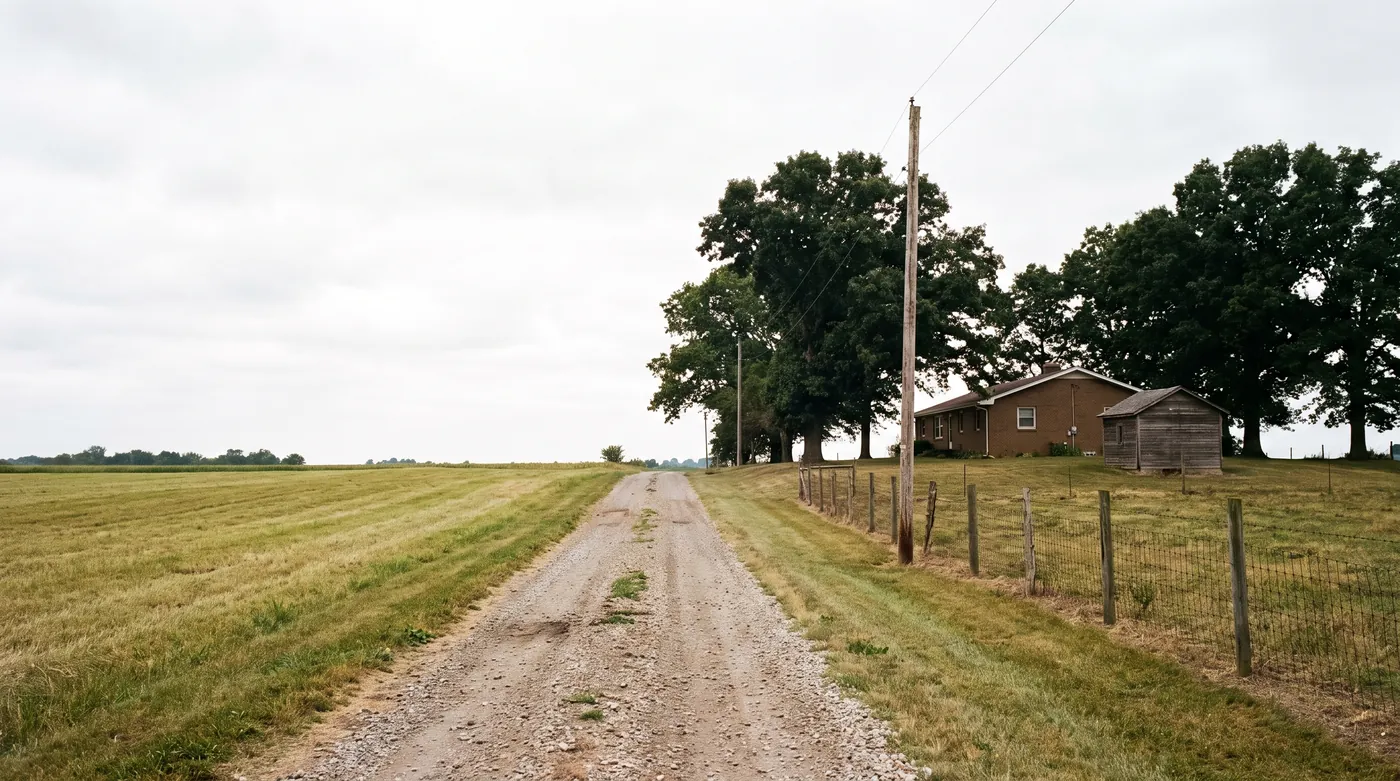
A gravel lane running past an open field toward a modest brick house and outbuilding among mature trees under a bright overcast sky.
Conceptual brand imagery. Not a property under review, owned, or for sale. Real estate and land, read in context.
Review basis
  • Location
  • Condition
  • Timing
  • Numbers
  • Authority
  • Fit

What we review

Real estate and land, read against the same six inputs.

Coleman & Stengel Co. reviews real estate and land opportunities. Each one is read against location, condition, timing, numbers, authority, and fit, starting with what can be answered now.

Real estate

Buildings and the lots they sit on. The first review starts with what the property is and what is known about it today.

Useful initial context

  • Property type
  • Location
  • Condition
  • Occupancy status
  • Timing
  • Asking position

Land

Parcels with or without improvements. Location and access matter first, and every detail is read as submitted.

Useful initial context

  • Approximate location
  • Parcel reference
  • Acreage
  • Known access
  • Known utilities or constraints
  • Timing

Unknown is a legitimate answer. Saying a detail is unknown is more useful than a guess. How the first review works

The property in context

A property cannot be understood from an address and an asking price alone.

The place, condition, access, timing, decision-maker, known constraints, and financial context determine whether a deeper conversation makes sense. The first review puts them in one frame.

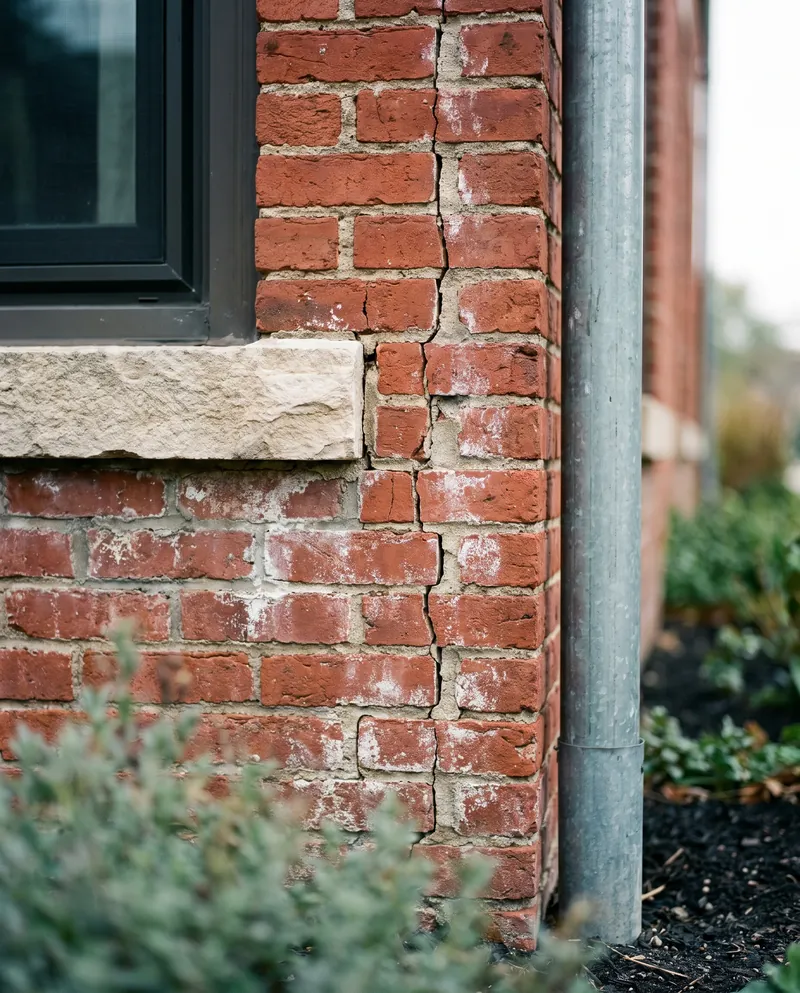
Close view of a brick building corner with a limestone sill, a galvanized downspout, and a settlement crack in the mortar.
Conceptual brand imagery. Not a property under review, owned, or for sale.

Property context

The place and its condition.

Where the property is, what it is, how it is reached, and what is known about its condition. A building and a parcel of land raise different questions, and the first review starts with the ones that can be answered now.

Decision context

The situation around it.

Who is able to make decisions, what timing matters, and which constraints are already known. This is usually where a conversation either gains focus or stalls.

Financial context

The figures as submitted.

An asking position, an expected figure, or a plain note that one has not been decided. Figures are read as submitted and discussed directly. Nothing on this site scores, estimates, or values a property.

A useful first submission

Enough to identify the property and the purpose of the conversation.

Approximate answers are fine. Unknown is fine. What matters is that known facts and open questions stay apart, so the first exchange does not have to start over.

  • Explain the property once, without starting over in every conversation.
  • See which information is missing before anyone spends time on it.
  • Keep known facts apart from assumptions.
  • Make clear who is involved and what timing matters.
  • Start a focused conversation instead of a general one.

Example message, real estate Fields, not facts

Relationship to the property
Owner
Property type
Residential
Location
Street address, city, and state
What to discuss
Whether a sale makes sense this year, and what a first conversation would need to cover
Timing
Within a few months
Condition
Known issues listed. Anything uncertain marked unknown.
Occupancy
Owner-occupied, tenant-occupied, or vacant
Asking position
A figure, a range, or not yet decided

Every answer above is a placeholder for what you know. The intake page builds the real message with you and shows it before anything is sent.

Example message, land Fields, not facts

Relationship to the property
Authorized representative
Property type
Land
Location
Nearest town and county
What to discuss
Whether the parcel deserves a closer look before it is offered more widely
Timing
No fixed timing
Parcel reference
If known
Acreage
Approximate
Access and utilities
What is known, and what is unknown

Every answer above is a placeholder for what you know. The intake page builds the real message with you and shows it before anything is sent.

After an inquiry

What happens next.

Four steps, handled directly. Not every submission leads to a detailed review, and no step promises an offer, a price, or a date.

  1. Step 1

    Initial information

    The submitter provides enough context to identify the property and the purpose of the conversation.

  2. Step 2

    First review

    The company considers the known facts and identifies important gaps.

  3. Step 3

    Direct follow-up

    Where further consideration is appropriate, the next questions are handled directly.

  4. Step 4

    Next decision

    The parties determine whether there is a useful next step.

Coleman & Stengel Co.

A property investment company, working from the facts.

Coleman & Stengel Co. evaluates real estate and land opportunities through direct communication and structured deal review. Location, condition, timing, numbers, authority, and fit are considered together to decide which opportunities warrant further consideration.

Classification
Property investment company
Reviews
Real estate and land opportunities
Review basis
Location, condition, timing, numbers, authority, and fit
First contact
A short structured message, or direct email
Follow-up
Handled directly, by email or conversation
About the company
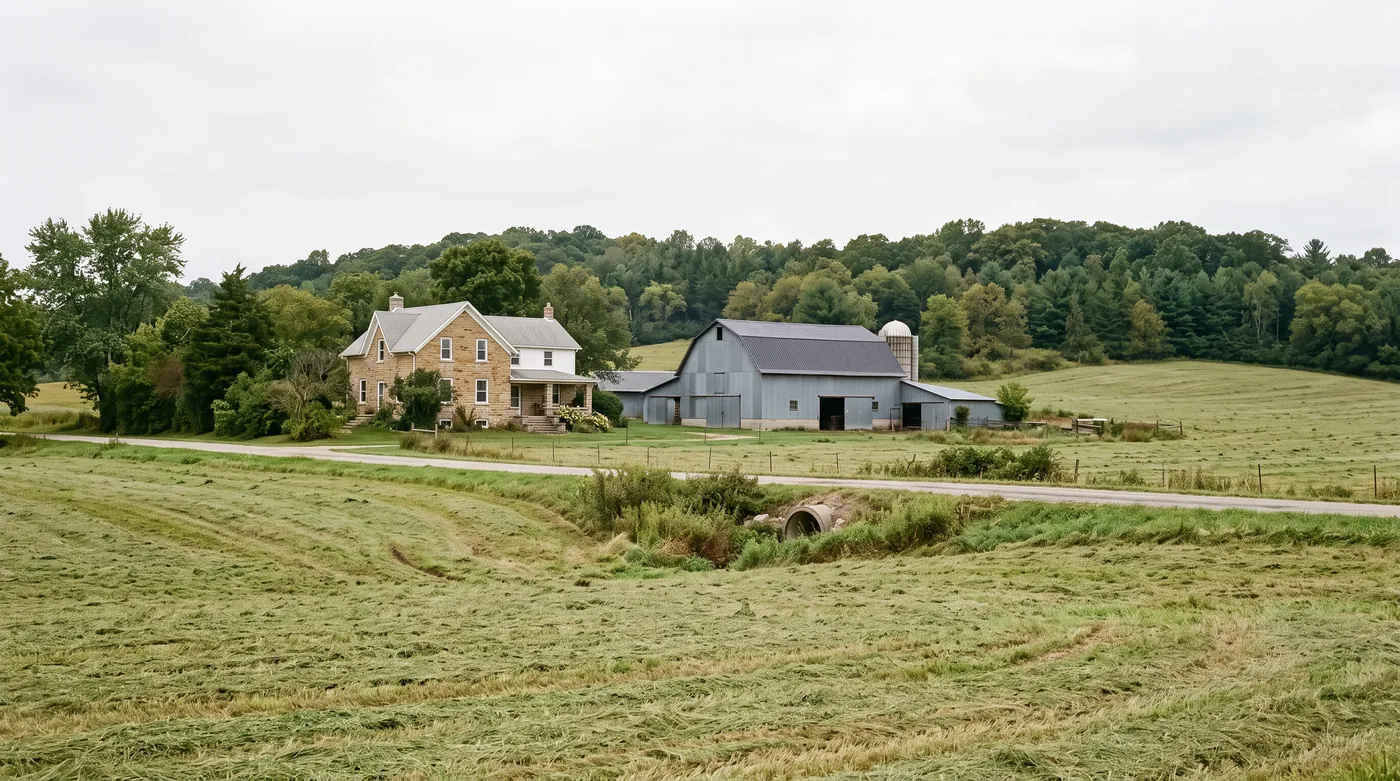
A stone farmhouse and a metal barn beside a county road, with a mown field in the foreground and a wooded ridge behind.
Conceptual brand imagery. Not a property under review, owned, or for sale.
A weathered wooden gate standing open onto a gravel lane between fence posts, with a mown pasture and tree line beyond.
Conceptual brand imagery. Not a property under review, owned, or for sale.

Start a conversation

Start with the property you have in mind.

Prepare a short message with the intake page, or email directly. Either way, it starts a conversation rather than a transaction, and the next step is decided together.